
If you are comparing a conex for sale, the smartest move is not simply choosing the lowest price. A conex container is a long-term asset for jobsite storage, farm equipment, business inventory, residential projects, and transport. The right unit can serve you for years. The wrong one can arrive with leaks, hard-to-open doors, weak flooring, or delivery problems that cost more than the discount was worth.
Before you buy, check the container’s size, condition, delivered price, seller reputation, site access, and paperwork. This guide walks through what U.S. buyers should verify before ordering a new or used conex container online.
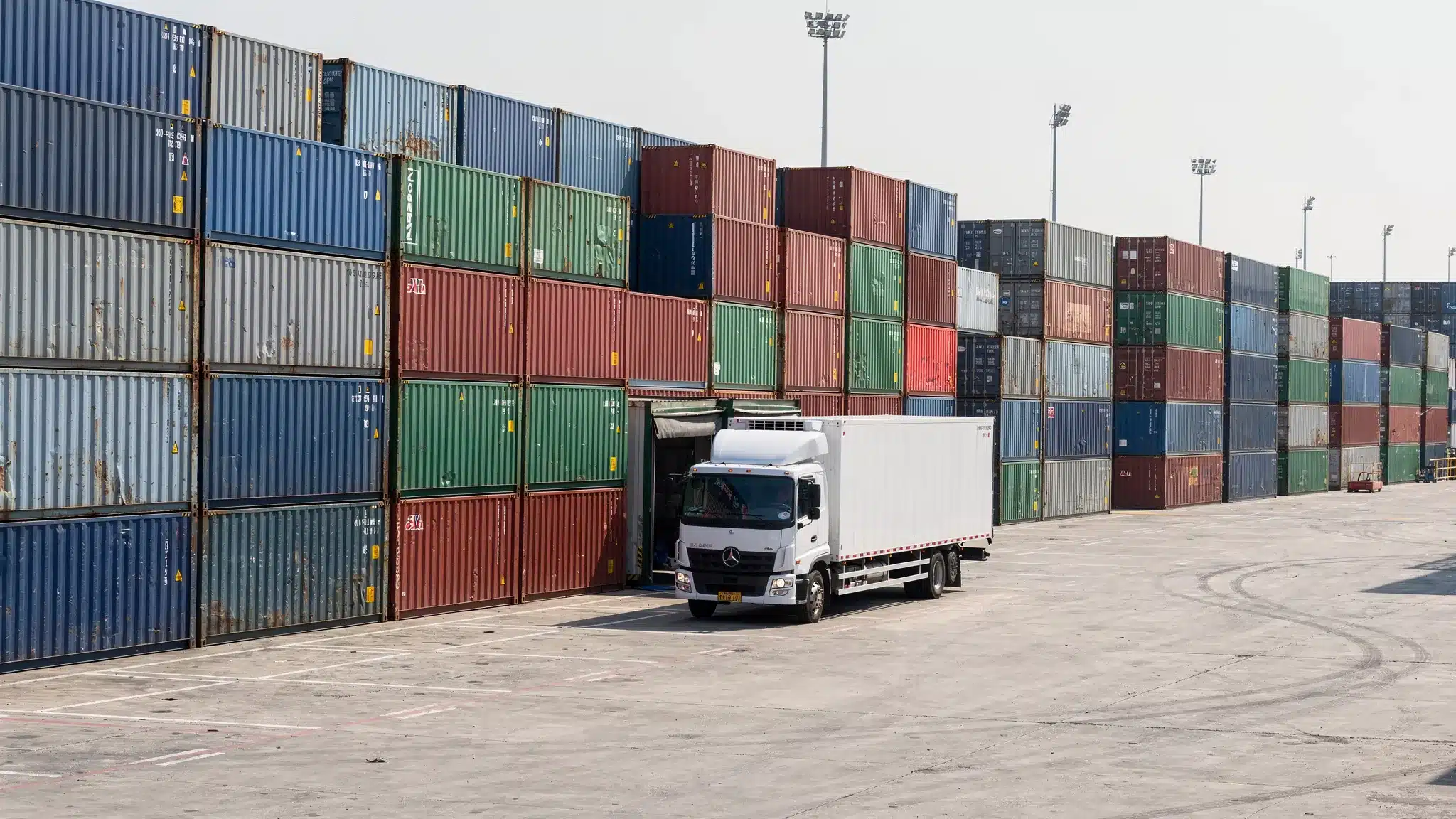
Quick Checklist Before Buying a Conex Container
Use this as a simple pre-purchase checklist when reviewing any conex box for sale:
| What to check | Why it matters |
|---|---|
| Size and configuration | A 20ft, 40ft, or high cube container must match your storage space, access, and project needs. |
| Condition grade | New, used, cargo-worthy, and wind and watertight units can vary greatly in appearance and price. |
| Roof, doors, seals, and floor | These are the areas most likely to affect daily use and weather protection. |
| Delivered price | The cheapest listed unit may not be the cheapest once delivery, offload, taxes, and fees are included. |
| Delivery access | Tight driveways, soft ground, slopes, power lines, and limited turning space can delay placement. |
| Seller reputation | A trusted supplier should provide clear pricing, secure checkout, and realistic delivery expectations. |
| Permits and local rules | Some cities, counties, HOAs, and commercial sites regulate container placement. |
Global Containers Line supplies new and used shipping containers for sale across the USA, including 10ft, 20ft, 40ft, and high cube options. Containers are inspected before dispatch, with fast nationwide delivery available to major markets such as Houston, Dallas, Atlanta, Phoenix, Miami, Los Angeles, Jacksonville, Orlando, Tampa, and San Antonio.
What Does “Conex” Mean?
A “conex” is another name for a steel shipping container or storage container. The term originally became popular through military and logistics use, but today U.S. buyers use it for portable storage units, jobsite containers, cargo containers, and container conversion projects.
When someone searches for a conex for sale, they may be looking for a standard shipping container, a used storage container, a cargo-worthy export container, or a high cube unit with extra height. The name matters less than the specifications. Always confirm the actual size, condition, door type, and delivery method before purchasing.
Check the Right Size for Your Project
Size is the first buying decision because it affects price, delivery, available storage, and placement space. A 40ft container gives more capacity, but it also needs more room for delivery and may be harder to fit on residential lots or tight job sites.
20ft Conex Containers
A 20ft container is often the best fit for homeowners, small businesses, farms, and construction crews that need secure storage without taking up too much space. It is easier to place than a 40ft unit and works well for tools, equipment, seasonal inventory, renovation materials, and small workshop setups.
If you need a compact, durable storage option, browse available 20ft shipping containers from Global Containers Line.
40ft Conex Containers
A 40ft container is popular for larger storage needs, commercial inventory, construction materials, and long-term industrial use. It usually offers a better cost per square foot than a 20ft unit, but you need more site space and delivery clearance.
For buyers who need maximum storage capacity, see available 40ft shipping containers.
High Cube Containers
High cube containers are typically about one foot taller than standard containers. That extra height can make a big difference for palletized goods, machinery, tall shelving, container offices, and custom builds. If you plan to walk inside often, install insulation, or store taller equipment, ask whether a high cube option is available.
| Size | Common uses | Buyer consideration |
|---|---|---|
| 10ft | Tight spaces, small storage, residential use | Limited capacity, but easier placement. |
| 20ft | Tools, equipment, farm storage, small business inventory | Good balance of capacity and access. |
| 40ft | Large storage, construction materials, commercial inventory | More space, but requires more delivery clearance. |
| 40ft high cube | Tall equipment, conversions, racking, bulky storage | Extra height is useful, often priced above standard 40ft units. |
Check the Container Condition Grade
Condition is one of the biggest price drivers when buying a conex container. A used container may be structurally sound and weather-resistant, but it can still have dents, surface rust, scratches, faded paint, and old markings. That is normal for many used units.
The key is knowing whether the container is appropriate for your intended use.
| Condition grade | What it generally means | Best for |
|---|---|---|
| New or one-trip | Usually used for one cargo trip, with minimal wear | Clean storage, customer-facing sites, conversions. |
| Cargo-worthy | Structurally suitable for cargo use, subject to inspection and documentation | Shipping, heavy storage, commercial use. |
| Wind and watertight | Keeps out normal rain and wind when doors are closed and seals are intact | On-site storage, tools, inventory, equipment. |
| As-is | Sold with known or unknown defects | Budget buyers who can inspect and repair the unit. |
Global Containers Line supplies new and used containers that are cargo-worthy, wind and watertight, and thoroughly inspected before dispatch. That inspection matters because two containers with the same label can look and perform very differently depending on age, repairs, cargo history, and handling.
Inspect the Roof, Doors, Floor, and Frame
If you can inspect the unit in person, take your time. If you are buying online, request clear photos or a description of key areas. The goal is not to find a perfect used container. The goal is to confirm the unit matches the condition you are paying for.
| Inspection area | What to look for | Red flags |
|---|---|---|
| Roof | Dents, ponding areas, patches, visible holes | Daylight showing through, heavy sagging, active leaks. |
| Doors | Smooth opening and closing, working locking bars, aligned hinges | Doors that will not seal, bent rods, broken handles. |
| Door seals | Rubber gaskets should be present and make contact | Missing, cracked, or loose seals that let water in. |
| Floor | Solid plywood or steel flooring with no soft spots | Rotten sections, chemical odor, major holes, severe warping. |
| Walls | Dents are common, but panels should be structurally sound | Large punctures, open cracks, major buckling. |
| Frame and corner posts | Straight enough for safe use, no severe structural damage | Twisted frame, compromised corner castings, unsafe repairs. |
| Interior | Dry, clean enough for intended use, no strong odor | Standing water, mold, heavy contamination, pest damage. |
A simple leak check is to step inside during daylight with the doors closed. If you see light through the roof or walls, water can likely enter too. For long-term storage, that is a serious issue.
If you plan to use the container for export or intermodal shipping, ask about the CSC plate and current cargo documentation. The International Maritime Organization explains international container safety standards, but sellers may use “cargo-worthy” differently. Always confirm what documentation is included if the container will move loaded cargo.
Understand Conex for Sale Pricing
Conex container pricing changes by size, condition, location, inventory, steel costs, fuel costs, and delivery distance. A container in Houston or Los Angeles may be priced differently than one delivered to a rural site in Kansas, Colorado, Georgia, or upstate New York.
As a planning guide, many U.S. buyers see base container prices in these general ranges before final delivery and location-specific fees:
| Container type | General U.S. planning range | Notes |
|---|---|---|
| Used 20ft wind and watertight or cargo-worthy | $1,800 to $3,500+ | Price depends heavily on condition, city, and availability. |
| New or one-trip 20ft | $3,200 to $5,500+ | Better appearance and longer expected service life. |
| Used 40ft wind and watertight or cargo-worthy | $2,400 to $4,800+ | Often strong value for buyers who have enough space. |
| New or one-trip 40ft | $4,500 to $7,000+ | Common for clean storage, commercial projects, and conversions. |
| 40ft high cube | Usually above standard 40ft pricing | Extra height increases usability and demand. |
These are broad market ranges, not live quotes. The most accurate way to compare conex containers for sale is to request an itemized delivered quote for your ZIP code.
A complete quote should clearly show:
- Container size and condition
- New or used status
- Unit price
- Delivery cost
- Offload method, if applicable
- Taxes or local fees, if applicable
- Any add-ons or special requirements
- Expected delivery timeline
Be careful with listings that show a very low container price but do not include delivery. In many cases, the delivered price is what determines the real deal.
Confirm Delivery and Site Access Before You Pay
Delivery is where many buyers run into surprises. A conex container is heavy, and placement requires the right truck, enough clearance, and firm ground. Global Containers Line offers fast nationwide delivery across the United States, but every site is different.
Before scheduling delivery, confirm these details:
- Exact delivery address and ZIP code
- Container size and door orientation
- Whether the site is residential, commercial, farm, or jobsite
- Road width, driveway access, and turning space
- Overhead obstacles such as tree limbs, utility lines, and roof edges
- Ground conditions, including mud, gravel, pavement, slope, or soft soil
- Whether you need tilt-bed delivery, crane support, forklift support, or another offload method
Tilt-bed delivery is common for 20ft and 40ft containers, but the truck needs room to pull forward while unloading. A 40ft container usually needs much more straight-line clearance than a 20ft container. If your site has limited space, mention that before purchase so the delivery plan can be reviewed.
For buyers in dense cities like Los Angeles, Miami, Dallas, Atlanta, and Phoenix, access can be just as important as the container itself. Narrow alleys, gated yards, steep driveways, and busy streets may require special planning.
Check Local Rules, Permits, and Placement Requirements
Not every container placement requires a permit, but some do. Rules vary by city, county, HOA, business park, and intended use. Temporary jobsite storage may be treated differently from permanent residential placement or a modified container building.
Before buying, check:
- Local zoning rules for storage containers
- HOA or neighborhood restrictions
- Setback requirements from property lines
- Fire lane and emergency access rules
- Whether a foundation, anchoring, or screening is required
- Permit requirements for electrical, plumbing, windows, doors, or structural modifications
If your container will be used on a construction site, farm, commercial yard, or industrial facility, the process is often straightforward. Residential and modified uses may require more review.
Verify the Seller Before Ordering Online
Buying a conex container online is convenient, but you should vet the supplier carefully. A reliable seller should be clear about condition, pricing, delivery, and payment security.
Look for a supplier that provides transparent pricing, secure checkout, responsive communication, and realistic delivery expectations. Avoid sellers who pressure you to pay immediately, refuse to provide condition details, or offer prices that seem far below the market without explanation.
Global Containers Line is a USA-based supplier of new and used shipping containers for sale. Buyers can order online, choose from multiple sizes and configurations, and arrange fast nationwide delivery. Containers are inspected before dispatch, and pricing is presented with a focus on clarity and no hidden fees.
Match the Container to the Use Case
The best conex for sale is the one that fits your job, not always the newest or cheapest unit.
For construction companies, a used wind and watertight 20ft or 40ft container may be ideal for tools, materials, and temporary site storage. For logistics businesses, cargo-worthy condition and documentation may matter more. For homeowners, a 20ft container may be easier to place and more than enough for moving, remodeling, or seasonal storage. For farms and ranches, a used 40ft container can provide large, secure storage for equipment, feed, parts, and supplies.
If you are planning a container office, retail unit, cabin, or home project, consider starting with a cleaner one-trip or structurally strong cargo-worthy unit. Cosmetic condition, frame integrity, and roof condition become more important when you plan to invest in modifications.
Questions to Ask Before You Buy
Before committing to a container, ask the seller direct questions. A trustworthy supplier should be able to answer clearly.
- Is the container new, one-trip, used, cargo-worthy, or wind and watertight?
- Are there any known leaks, holes, soft flooring, or door issues?
- Can I see recent photos or a representative example of the condition?
- Is the quote delivered to my ZIP code?
- What delivery method will be used?
- How much space is needed for offload?
- Are taxes, fees, and add-ons included?
- What happens if the site is not ready when the truck arrives?
- Do I need to choose door orientation before delivery?
- What is the estimated delivery timeline?
If the answers are vague, pause before paying. Clear answers prevent most container buying problems.
Frequently Asked Questions
What should I check first when buying a conex for sale? Start with size, condition, and delivered price. A container that looks affordable online may not be the best option if delivery is expensive, the condition is unclear, or the unit is too large for your site.
Is a used conex container worth buying? Yes, a used conex container can be a strong value for storage, construction, farming, and business use. Expect cosmetic wear, but make sure the unit is wind and watertight, structurally sound, and inspected before delivery.
How much does a conex container cost in the USA? Pricing depends on size, condition, location, and delivery. Used 20ft units often start in the low-thousands, while 40ft, high cube, and one-trip containers cost more. Request a delivered quote for accurate pricing in your ZIP code.
What is the difference between cargo-worthy and wind and watertight? Cargo-worthy generally means the container is structurally suitable for cargo use, subject to inspection and required documentation. Wind and watertight means the unit should keep out normal weather when closed, making it suitable for storage.
How fast can a conex container be delivered? Delivery timing depends on inventory, location, truck availability, and site readiness. Global Containers Line offers fast nationwide delivery across the United States and can help buyers plan delivery based on their address and container size.
Do I need a permit for a conex container? It depends on your city, county, HOA, and use case. Temporary storage on a jobsite may be treated differently from permanent residential placement or a modified container structure. Always check local rules before ordering.
Should I choose a 20ft or 40ft container? Choose a 20ft container if you need easier placement and moderate storage. Choose a 40ft container if you need more capacity and have enough delivery clearance. For extra vertical space, ask about high cube options.
Buy a Conex Container With Confidence
A conex container is a practical investment when you know what to check before you buy. Focus on the real delivered cost, inspected condition, site access, and a seller you can trust.
Global Containers Line supplies new and used shipping containers across the USA, including 10ft, 20ft, 40ft, and high cube containers for storage, construction, commercial, residential, and logistics use. Every unit is inspected before dispatch, with secure online ordering, transparent pricing, and fast nationwide delivery.
Ready to compare options? Browse 20ft shipping containers, explore 40ft shipping containers, or visit Global Containers Line to request a quote for delivery to your location.