
A “cargo container” usually refers to the steel shipping containers originally built for ocean freight, then reused across the U.S. for storage, job sites, and custom projects. If you’re shopping for one in 2026, the basics that matter most are straightforward: size, condition, intended use, and delivered cost.
To choose the right fit, start with our guide on what size shipping container fits your job.
Global Containers Line supplies new and used cargo containers that are cargo-worthy, wind and watertight, and inspected before dispatch, with fast nationwide delivery across the United States.
What is a cargo container (and what it is not)
If you are comparing condition options, read our breakdown of new vs used shipping containers before requesting a quote.
A cargo container is a standardized, heavy-duty steel unit designed to protect goods during transport and handling. In the U.S. market, you’ll most often see:
Standard-height containers (about 8 ft 6 in tall)
High cube containers (about 9 ft 6 in tall) for extra headroom
It’s helpful to separate common terms:
Cargo-worthy (CW): Suitable for transport and typically aligned with the intent of international safety standards like the CSC (Convention for Safe Containers). In everyday buying, “cargo-worthy” also implies solid structure and functional doors.
Wind and watertight (WWT): Weather-resistant storage with no active leaks, ideal for most storage needs.
As-is: Usually a budget option that may need repairs. (Not every supplier sells this tier.)
If you’re using a container for storage, a workshop, or on a job site, wind and watertight is often the baseline. If you’re shipping goods overseas, you’ll want to confirm cargo-worthy status and any required documentation.
Cargo container sizes (10ft, 20ft, 40ft, and high cube)
Most buyers start with “How big do I need?” The right answer depends on what you’re storing, how you’ll place it, and the space you have for delivery.
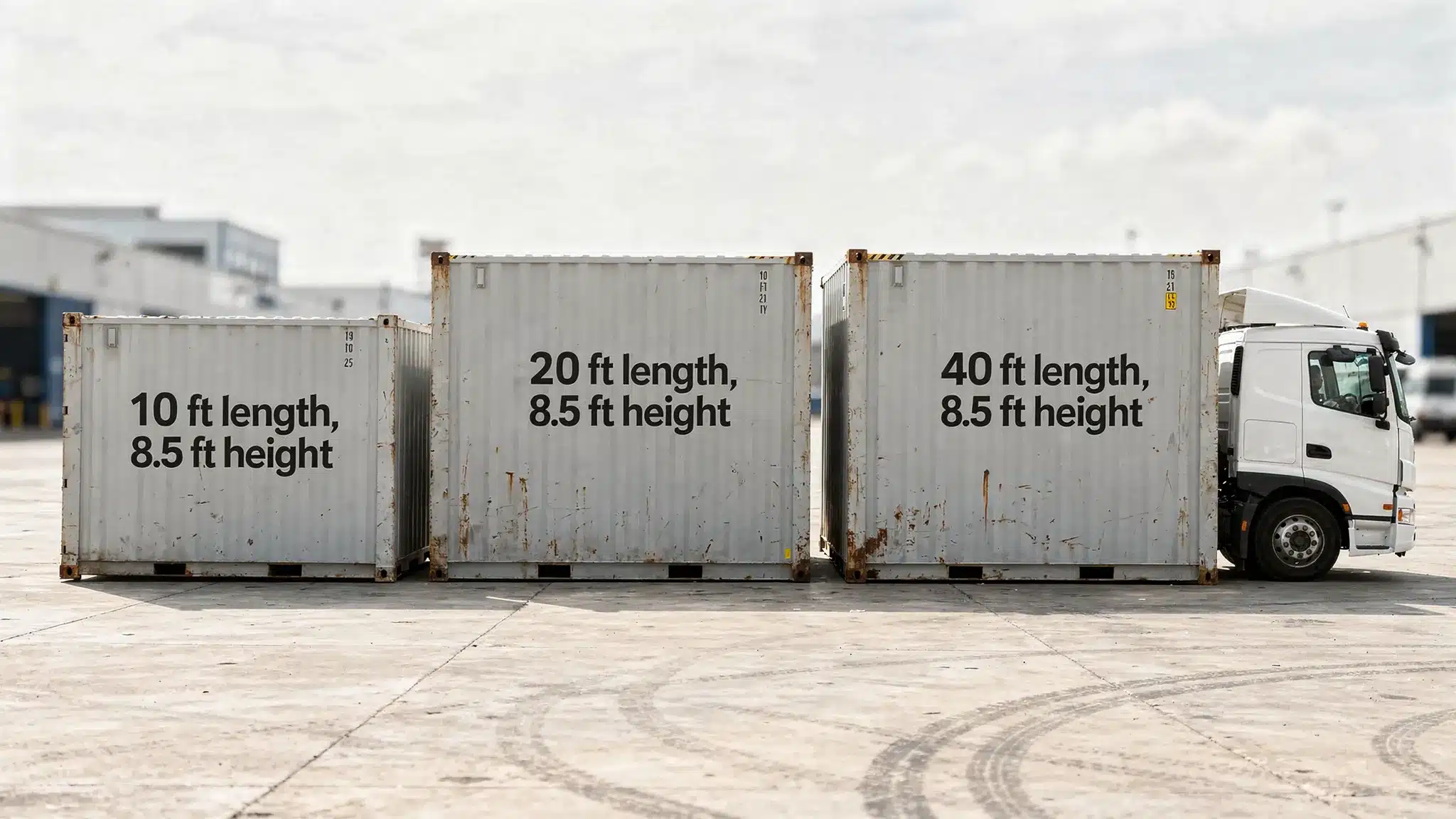
Here’s a practical overview of common cargo container sizes. Dimensions can vary slightly by manufacturer, so always confirm the exact specs on your quote.
| Cargo container size | Typical exterior length | Typical exterior width | Typical exterior height | Best for |
|---|---|---|---|---|
| 10ft | 10 ft | 8 ft | 8 ft 6 in | Tight spaces, tools, small storage yards |
| 20ft (standard) | 20 ft | 8 ft | 8 ft 6 in | Most common all-around storage, job sites |
| 40ft (standard) | 40 ft | 8 ft | 8 ft 6 in | Large inventory, equipment, long-term storage |
| 40ft high cube (HC) | 40 ft | 8 ft | 9 ft 6 in | Taller items, easier stacking, more cubic capacity |
When a 10ft cargo container makes sense
A 10ft unit is popular for urban or space-limited deliveries, like behind a retail building or inside a fenced yard. If you’re in a dense metro area (for example, parts of Atlanta or Miami) where access is tight, 10ft can reduce headaches.
Why 20ft is the “default” for many buyers
For the most flexible all-around option, browse our available 20ft shipping containers for storage, job sites, and business use.
A 20ft cargo container is often the best blend of capacity and footprint. It fits many driveways, lots, and job sites while still offering meaningful storage.
If you’re actively comparing options, browse available inventory here: 20ft shipping containers.
When to choose a 40ft cargo container
If you need more storage volume and fewer delivery trips, explore our 40ft shipping containers for large inventory, equipment, and long-term use.
A 40ft container is a strong pick when you need volume and fewer trips. Common examples include:
Contractors storing framing materials and tools
Businesses holding seasonal inventory
Farms storing equipment parts and feed supplies
You can check availability here: 40ft shipping containers.
High cube vs standard height: what changes
High cube containers are about 1 foot taller. That extra height is valuable if you are:
Loading tall racking or pallet stacks
Converting the container into a workspace
Trying to improve airflow and comfort for a build-out
For many projects, the small cost difference can be worth it, especially for commercial storage and container modification plans.
Cargo container conditions explained (new vs used)
Condition affects appearance, lifespan, and price. The key is matching condition to the job.
New (often called “one-trip”) cargo containers
New containers typically have:
Cleaner interiors
Fewer dents and less surface rust
Tighter door seals and smoother door operation
They’re a common choice for retail-facing placements, residential projects, and builds where appearance matters.
Used cargo containers (cost-effective and proven)
Used containers vary, but a quality used unit should still be structurally sound and secure. Many buyers choose used containers for:
Construction sites in Houston or Dallas
Equipment storage in rural areas
Projects where cosmetics are not the priority
Global Containers Line focuses on containers that are cargo-worthy and wind and watertight, and inspected before dispatch, so you’re not guessing when it arrives.
Cargo-worthy vs wind and watertight: which do you need?
You can also read our full guide on cargo-worthy vs wind and watertight containers to understand which option best matches your use case.
If you’re deciding between “CW” and “WWT,” use this rule of thumb:
Choose wind and watertight for most storage, tools, materials, and on-site security.
Choose cargo-worthy if you need a container that is suitable for transport standards and handling demands.
If you are unsure, explain your use case and location when requesting a quote. A good supplier will recommend the right tier, not just the most expensive one.
What to look for in any condition
Regardless of new or used, confirm these basics:
Door operation: Doors should open and close without extreme force.
Seals and leaks: Ask how wind and watertight is verified.
Floor condition: Look for soft spots, heavy stains, or delamination.
Structural integrity: Check corner castings, roofline, and major dents.
Lockability: Confirm hasps and latch alignment.
Common cargo container uses in the U.S.
Cargo containers work because they solve three problems at once: secure storage, fast placement, and predictable space.
1) Construction and job-site storage
See how buyers use shipping containers for construction and job-site storage when they need secure, fast, and practical on-site space.
For contractors and builders, containers help keep tools and materials protected on active sites. A 20ft container is common for:
Tool and equipment storage
Secure material staging
Temporary job-site “lockup”
In high-growth markets like Phoenix or Dallas, containers are often used as flexible storage without needing to build permanent structures.
2) Business inventory and overflow storage
Small businesses use cargo containers to create affordable back-of-house space, especially for seasonal inventory.
Examples include:
Furniture and appliance storage
Event supply storage
Retail stock overflow
Even specialty retailers that handle seasonal demand can benefit. For example, sporting-goods sellers may use containers to store bulky items during peak winter periods, similar to how retailers like Fabbrica Ski Sises manage apparel and sports equipment inventory swings.
3) Farming, ranching, and land management
On farms and ranches, containers are used for:
Secure feed and tack storage
Parts and small equipment storage
Protected storage on remote land where a traditional building is not practical
A used, wind and watertight container is often a strong value here.
4) Workshops, garages, and homeowner storage
Homeowners use containers for renovations, moves, and long-term storage. Popular uses include:
Storing furniture during a remodel
Creating a workshop space
Securing motorcycles, ATVs, and yard equipment
If a container will be visible in a neighborhood, many buyers prefer a cleaner-looking condition (often new) and confirm any HOA or local rules.
5) Commercial and residential container projects
Containers are also used as building blocks for:
Portable offices
Storage rooms for multi-family properties
Custom builds (when permitted)
If you plan to cut openings or add windows and doors, it’s smart to start with the right unit (often newer) so you are not building on top of hidden problems.
Cargo container pricing: what actually changes the cost
For a clearer estimate of total cost, review our shipping container delivery and site preparation guide before ordering.
Prices can vary by region and availability, so the most accurate number is a delivered quote to your ZIP code. That said, you can predict pricing by understanding the main drivers.
The biggest pricing factors
Size: 40ft units typically cost more than 20ft.
Condition: New typically costs more than used.
Height: High cube may cost more than standard height.
Local supply and demand: Metro markets can price differently than rural areas.
Delivery distance and difficulty: Tight access, long driveways, or special placement needs can affect delivery cost.
What a transparent quote should include
To compare suppliers fairly, ask for a quote that clearly spells out:
Container size and condition (new vs used)
Wind and watertight or cargo-worthy status
Delivery cost to your location
Taxes (if applicable)
Any add-ons you requested (for example, lockboxes)
Global Containers Line emphasizes competitive pricing with no hidden fees, plus secure online ordering.
Delivery: what to expect (and how to prepare your site)
Fast delivery matters, but smooth delivery matters more. Most issues happen because the site is not ready.
Global Containers Line offers fast nationwide delivery across the United States, including major markets like Houston, Dallas, Atlanta, Phoenix, and Miami.
Common delivery methods
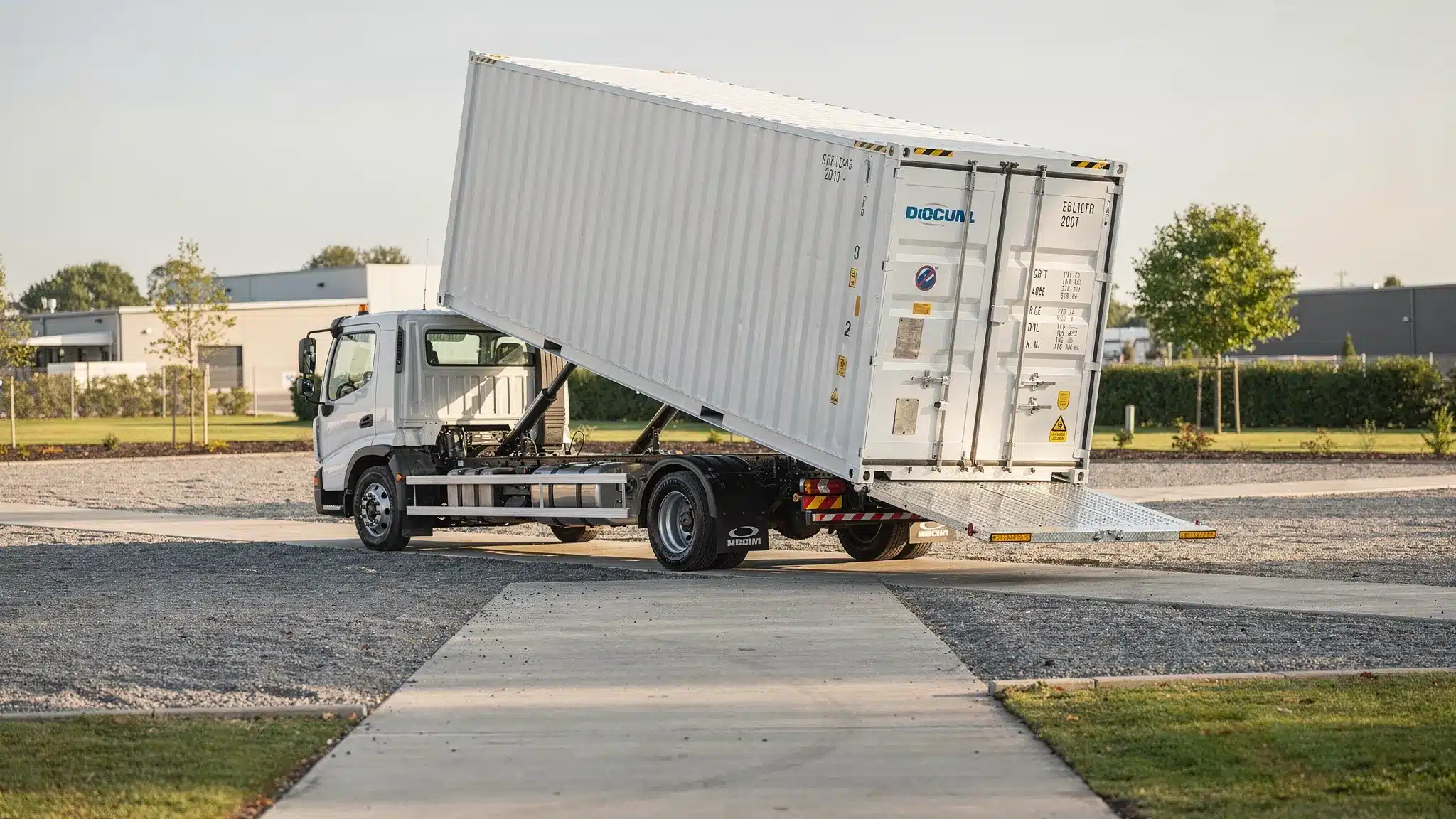
Many containers are delivered on a tilt-bed or roll-off style truck. Your supplier should confirm:
The type of truck used
The space needed to unload
Whether the driver can place the container exactly where you want it (within reason)
Quick site prep checklist
Before delivery day, plan for:
Clear access: Remove low branches, parked cars, and obstacles.
Solid ground: Gravel, asphalt, or compacted soil is best.
Level placement: Helps doors open and close properly.
Space to maneuver: Especially important for 40ft containers.
If you’re unsure, share photos of your site when you request a quote. It’s one of the simplest ways to avoid redelivery fees and delays.
Choosing the right cargo container fast (simple matching guide)
If you want a quick decision framework, match your use case to a practical size and condition.
| Your primary goal | Recommended size | Recommended condition | Why it works |
|---|---|---|---|
| General storage for a business or homeowner | 20ft | Used WWT or New | Flexible footprint, strong value |
| Large inventory, equipment, or long-term storage | 40ft | Used WWT or New | Maximum capacity per delivery |
| Tight access or limited space | 10ft or 20ft | Used WWT | Easier placement, lower site constraints |
| Retail-facing placement or a polished project | 20ft or 40ft | New | Cleaner look, fewer cosmetic issues |
| Transport-oriented needs | 20ft or 40ft | Cargo-worthy | Better fit for handling and shipping requirements |
Browse containers or request a delivered quote
If you are ready to move forward, request a delivered quote and include your ZIP code, intended use, and any delivery access details.
If you’re ready to buy, the best next step is to confirm size, condition, and delivered price to your location.
Shop popular options: 20ft shipping containers and 40ft shipping containers
Prefer a fast answer for your city or job site? Request a quote and include your ZIP code, intended use, and any delivery constraints.
Global Containers Line is a trusted U.S. supplier of new and used cargo containers, with inspected, wind and watertight units and fast nationwide delivery across the United States.