
If you searched for Container One shipping containers, you are probably trying to answer three practical questions before you buy: What specs do I need, what “grade” should I choose, and how will delivery work to my site in the USA?
This guide breaks down the key container specs (10ft, 20ft, 40ft, High Cube), the most common condition grades you will see in quotes, and what to expect from delivery in major U.S. markets like Houston, Dallas, Atlanta, Phoenix, and Miami, plus smaller cities and rural areas.
If you want to skip straight to in-stock options with fast nationwide delivery, Global Containers Line sells new and used, inspected containers with transparent pricing and secure checkout.
Shipping container specs (what you are actually buying)
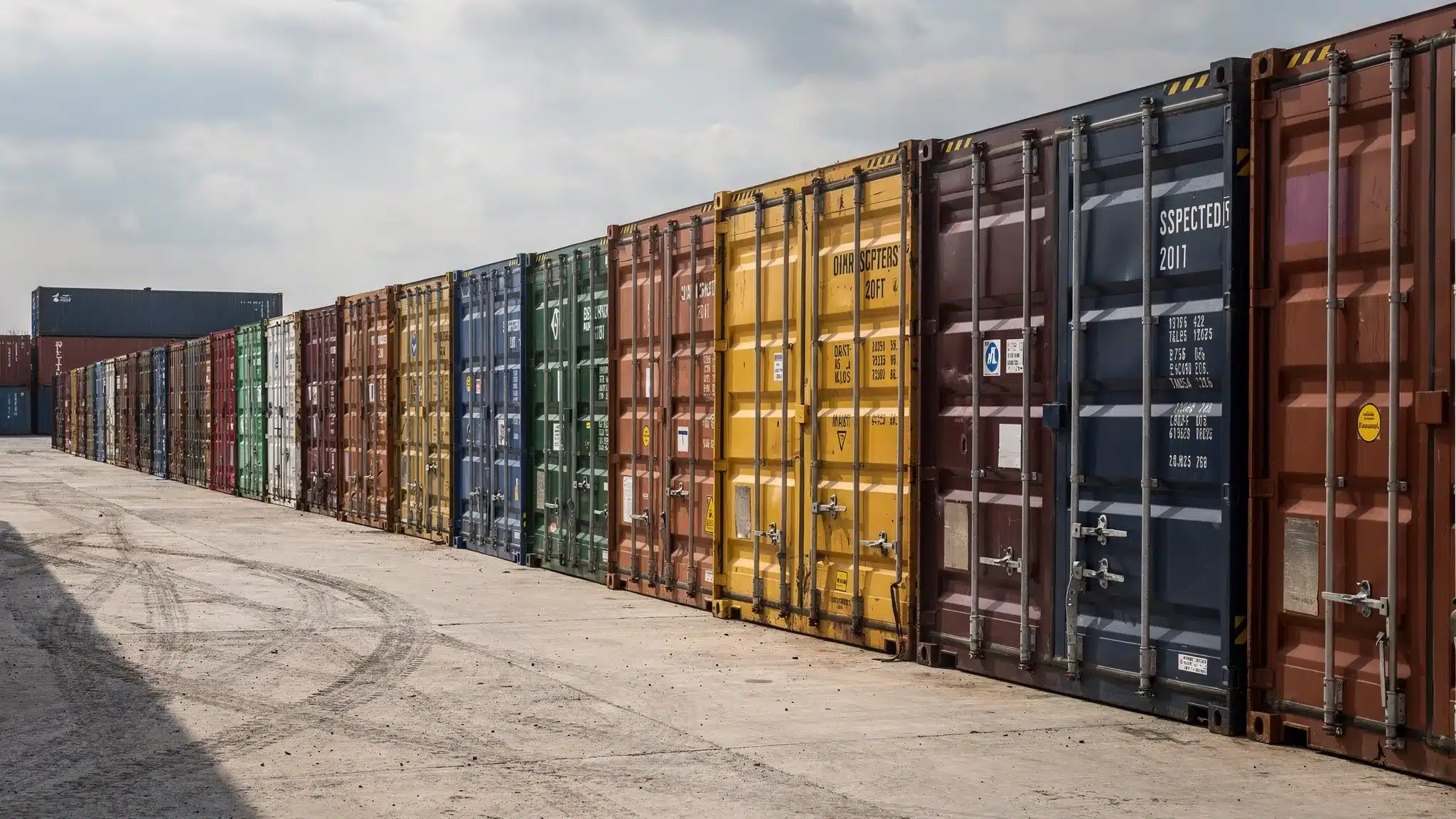
Most buyers comparing Container One shipping containers (or any supplier) are really comparing standard ISO container sizes. The two most common are 20ft and 40ft, with High Cube (taller) versions popular for storage and conversions.
Standard dimensions (20ft, 40ft, and High Cube)
Dimensions can vary slightly by manufacturer and age, but these are the typical specs buyers use for planning.
| Container size | Typical exterior size (L x W x H) | Typical use cases | Notes |
|---|---|---|---|
| 10ft | 10ft x 8ft x 8ft 6in | Tight sites, small storage, jobsite tools | Great when access is limited |
| 20ft (standard) | 20ft x 8ft x 8ft 6in | Storage, jobsite, farms, small builds | The most common “starter” size |
| 40ft (standard) | 40ft x 8ft x 8ft 6in | Large storage, inventory, equipment | Best value per square foot |
| 40ft High Cube | 40ft x 8ft x 9ft 6in | Conversions, warehousing, taller items | Extra headroom for shelving and builds |
For most buyers, the decision comes down to:
- 20ft if you need easier placement and lower delivery complexity.
- 40ft if you want maximum storage per dollar.
- 40ft High Cube if ceiling height matters for racking, workshops, or container projects.
You can browse common sizes here:
What “cargo-worthy” and “wind and watertight” mean in real life
When comparing suppliers, you will see terms that sound similar but can mean different things operationally:
- Cargo-worthy (CW): Generally indicates the container is structurally sound and suitable for transport use (often aligned with active service standards). This is the grade many logistics and export buyers ask for.
- Wind and watertight (WWT): Indicates the container seals out wind and water for storage purposes, with functional doors and no holes in the shell.
Global Containers Line states its containers are cargo-worthy, wind and watertight, and thoroughly inspected before dispatch, which is exactly the combination most U.S. buyers want for storage, construction, and projects.
Container grades explained (new vs used, and what to choose)
“Container grades” are where quotes can get confusing, especially if you are comparing Container One shipping containers to other vendors. The key is to match the grade to your use case.
Common grades you will see in the USA
| Grade term | What it typically means | Best for | Watch-outs |
|---|---|---|---|
| New / One-trip | Minimal wear, clean interior, tight doors | Conversions, retail, homeowners | Highest price, limited availability in some areas |
| Used (certified) | Previously in service, inspected for function and integrity | Storage, job sites, farms | Cosmetic dents, surface rust are normal |
| Cargo-worthy (CW) | Meets structural requirements for transport use | Shipping and logistics, export | Confirm documentation needs if exporting |
| Wind and watertight (WWT) | Seals out wind and water, good doors | Storage, equipment protection | May not be “pretty,” but should be dry |
Different sellers use slightly different wording, so your best move is to ask one simple clarifying question:
“Is the unit wind and watertight, with fully working doors, and inspected before dispatch?”
That one line prevents most surprises.
How to pick the right grade for your project
For construction companies: A used WWT or CW container is usually the sweet spot. You get secure on-site storage without paying for cosmetic perfection.
For homeowners: If the container will sit near your home or you are converting it (office, studio, pool house), a new or cleaner used unit can be worth it for appearance and door operation.
For small businesses and farms: 40ft used containers are popular because they offer a lot of dry storage for inventory, feed, tools, and equipment.
Pricing: what affects the cost of a shipping container in the USA?
Online searches for Container One shipping containers often lead to price shopping, but the price difference usually comes from a small set of factors.
The biggest pricing drivers
Container size and type. 40ft units usually cost more than 20ft units, and High Cubes can be priced differently than standard height.
Condition and grade. New or one-trip containers are typically the highest cost. Used can be a better value if you do not need a “like-new” look.
Delivery distance and logistics. Your location (for example, central Houston versus rural Arizona), site access, and offload method impact the delivered price.
Local supply and demand. Pricing can shift by metro area and port proximity. For example, availability can look different around Miami, Houston, or Atlanta than it does inland.
Avoid hidden fees: what to confirm in writing
To keep comparisons fair across vendors, confirm these items are clearly stated:
- Container price (size and condition)
- Delivery cost to your address
- Offload method included (if applicable)
- Taxes (if applicable)
- Payment and ordering terms
Global Containers Line positions its offer around competitive pricing with no hidden fees, plus secure online ordering, which is exactly what most buyers want when comparing quotes.
Delivery: how shipping container delivery works (and how to prepare)
Delivery is where many first-time buyers get stuck. The good news is that container delivery is straightforward when the site is prepared and you know the offload plan.
Global Containers Line offers fast nationwide delivery across the United States, including major cities such as Dallas, Houston, Atlanta, Phoenix, and Miami, and surrounding regions.
Typical delivery methods
Tilt-bed (roll-off) delivery. A common option for placing a container on relatively level ground. The truck tilts and slides the container into place.
Chassis delivery. Often used when the buyer has equipment on-site to unload (like a forklift that can handle the weight, or a crane arranged by the customer).
Crane offload. Used when the container must go over obstacles or into a tighter spot. This typically requires additional planning and cost.
If you are unsure which method you need, it helps to share a few photos of the drop site and note any obstacles.
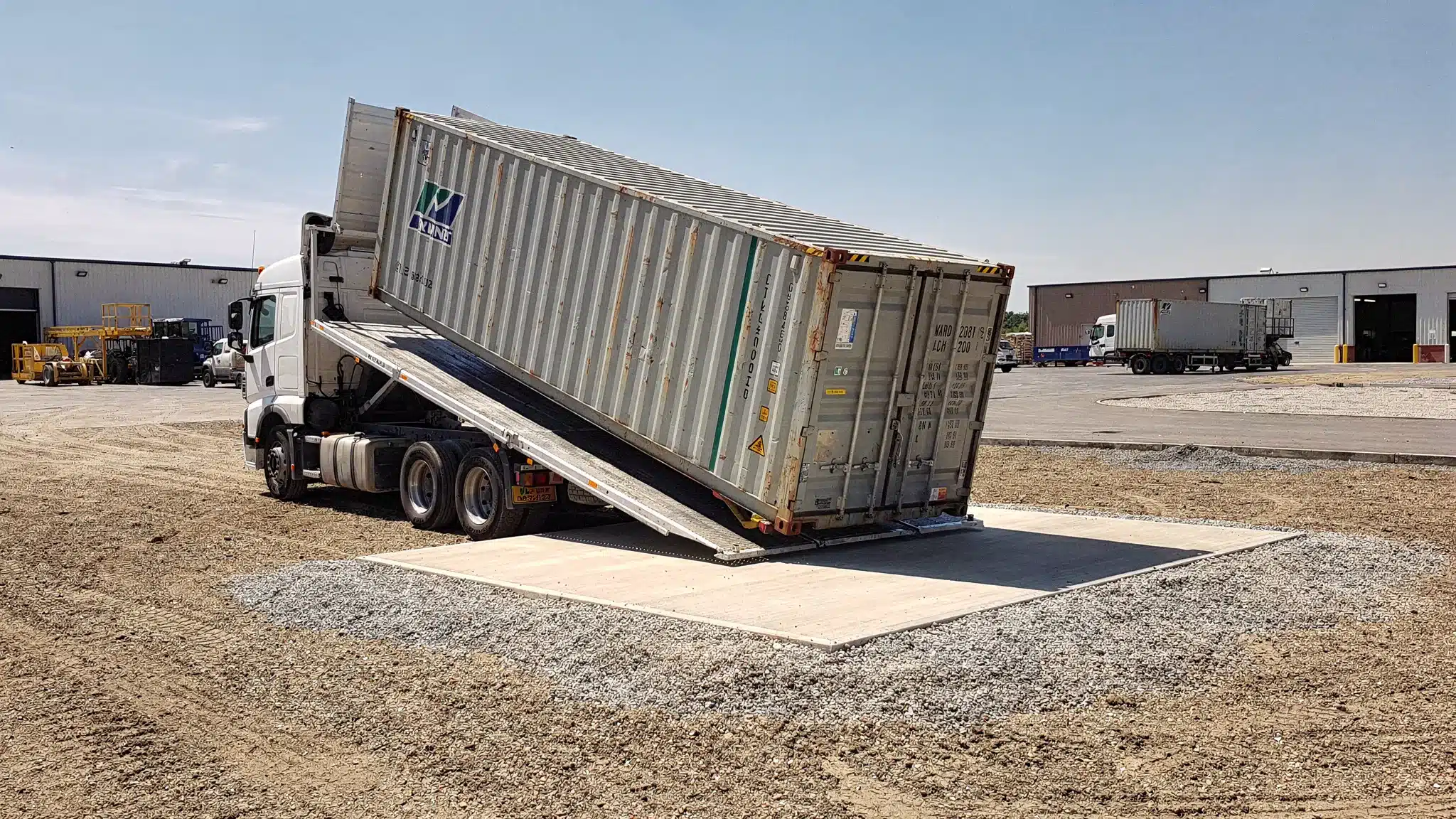
Site requirements checklist (simple but important)
Here is a practical checklist that helps avoid failed delivery attempts:
| Item to check | Why it matters | Quick rule of thumb |
|---|---|---|
| Clear access path | Trucks need room to maneuver | Remove parked cars, gates, low branches |
| Ground condition | Soft ground can cause sinking | Use gravel, compacted base, or firm pavement |
| Overhead clearance | Tilt and offload need vertical space | Watch trees and power lines |
| Placement base | Prevents settling and door misalignment | Level pad, blocks, or railroad ties |
| Turnaround space | Avoids difficult backing situations | Wider is better, especially for 40ft |
Delivery timing: what “fast” typically means
Delivery speed depends on inventory and your distance from the dispatch location. In many cases, delivery can be arranged quickly, but it is best to plan a window that accounts for scheduling, route planning, and site readiness.
If your project has a deadline (jobsite mobilization, retail opening, farm season), request a quote early and share your target delivery date.
What to inspect when your container arrives
Even when a supplier inspects before dispatch, you should do a quick check at delivery so any concerns are documented immediately.
Quick on-delivery inspection
Focus on function first:
- Doors: Open and close smoothly, locking bars operate correctly.
- Seal and roofline: Look for visible holes, major gaps, or signs of active leaks.
- Floor: Check for soft spots, major damage, or strong chemical odors.
- Overall condition: Dents and surface rust are common on used units, but structural issues are not.
If you are buying for a public-facing project (coffee stand, office, retail), consider choosing a cleaner unit upfront so you spend less time and money on prep.
Choosing between 20ft and 40ft (fast decision guide)
Most U.S. buyers end up deciding between the two most common sizes. Here is the cleanest way to choose:
When a 20ft container is the better fit
Choose 20ft if you prioritize:
- Easier placement on residential driveways and tighter lots
- Lower delivery complexity
- A compact footprint for tools, materials, or seasonal storage
Shop options here: 20ft shipping containers
When a 40ft container is the better fit
Choose 40ft if you prioritize:
- Maximum storage per delivered dollar
- Room for racking, equipment, or inventory organization
- Fewer units (one 40ft instead of two smaller containers)
Shop options here: 40ft shipping containers
If you are comparing Container One shipping containers vs other suppliers
If “Container One shipping containers” is part of your comparison shopping, the best approach is to compare on outcomes, not just the base price.
Use this quote-comparison checklist
A fair comparison includes:
- Same size (20ft vs 40ft vs 40ft High Cube)
- Same condition definition (new, one-trip, used, CW, WWT)
- Delivered price to your exact ZIP code
- Offload method included or required
- Inspection standards and support if there is an issue
Global Containers Line is built for buyers who want inspected containers, transparent pricing, and fast nationwide delivery across the USA, whether you are in a major metro like Phoenix or a smaller town outside the city.
Frequently Asked Questions
Are Container One shipping containers the same as one-trip containers? Not always. Many buyers use “Container One” as a search term, but “one-trip” usually means a near-new container that has made a single loaded trip. Always confirm the grade in writing.
What is the difference between cargo-worthy and wind and watertight? Cargo-worthy generally refers to structural suitability for transport use, while wind and watertight focuses on keeping contents dry for storage. For most storage buyers, WWT is the minimum requirement.
How much does a shipping container cost delivered in the USA? Pricing depends on size, condition, and delivery distance. The most accurate way to price is to request a delivered quote for your ZIP code and confirm the grade (new vs used, CW vs WWT).
How fast can you deliver a container to my location? Delivery timing depends on inventory and routing, but Global Containers Line offers fast nationwide delivery across the United States. Share your city, state, and timeline to get the best estimate.
What do I need to prepare for delivery? Make sure you have clear truck access, firm level ground, overhead clearance (watch power lines), and a planned placement area. A simple gravel pad or level blocks can help prevent door alignment issues.
Can I buy a 20ft or 40ft container online securely? Yes. Global Containers Line offers secure online ordering and transparent pricing, plus support if you need help choosing the right size and condition.
Browse available containers or request a delivered quote
If you are ready to buy and want a trusted U.S. supplier, Global Containers Line makes it easy to order new or used, inspected shipping containers with fast nationwide delivery.
- Browse: 20ft shipping containers and 40ft shipping containers
- Want help choosing a grade, confirming delivery access, or pricing for your city and state? Request a quote through the site: Global Containers Line